SE16 Bermondsey flat end of tenancy cleaning checklist
Posted on 18/07/2026

SE16 Bermondsey Flat End of Tenancy Cleaning Checklist
If you are moving out of a Bermondsey flat, the cleaning stage can feel oddly high-stakes. One minute you are packing mugs into boxes, the next you are wondering whether the oven tray, the skirting boards, or that faint mark behind the radiator might cost you part of your deposit. This SE16 Bermondsey flat end of tenancy cleaning checklist is designed to make the whole process clearer, calmer, and much more manageable.
Instead of vague advice, you will find a room-by-room approach, practical tips, common mistakes, and a realistic view of what landlords and letting agents usually look for. If you are renting in a modern apartment block, a converted warehouse, or one of the older Bermondsey flats with a bit more character, the basic principles are the same: clean thoroughly, document everything, and do not leave the job to chance.
For local readers who want a broader picture of the area and the property market, the site's guide to residential property in Bermondsey and local insights on living in Bermondsey offer useful context. But if your tenancy is ending now, let's stay focused and get this flat back to a proper handover standard.
Practical summary: the best end of tenancy clean is not just about making things look neat. It is about removing the details that trigger inspection notes: grease, limescale, dust build-up, internal window marks, bathroom residue, carpet staining, and those little forgotten corners that are easy to miss when you are tired.
- Why this checklist matters
- How the process works
- Key benefits and practical advantages
- Who this is for and when it makes sense
- Step-by-step guidance
- Expert tips for better results
- Common mistakes to avoid
- Tools, resources and recommendations
- Law, compliance, standards and best practice
- Options, methods and comparison table
- Case study or real-world example
- Practical checklist
- Conclusion
- Frequently asked questions
Why SE16 Bermondsey flat end of tenancy cleaning checklist Matters
End of tenancy cleaning matters because it sits at the point where expectations, timing, and evidence all collide. A flat can look "pretty clean" at a glance and still fail an inspection because the hob is greasy, the shower screen has limescale, or there is dust on top of kitchen cabinets. That is the awkward truth.
In Bermondsey, flats often have compact layouts, open-plan kitchens, and high-use surfaces that show wear quickly. White walls, glass, stainless steel, and pale bathroom fittings are unforgiving. So are busy entrance halls, balconies, and window tracks that collect city dust without much effort. If you live near a lively stretch or have had a long tenancy, the build-up can be more than you realise.
A structured checklist gives you a fighting chance. It helps you clean in a logical order, spot hidden issues early, and avoid that classic final-day panic where someone is wiping a skirting board with five minutes to spare. Been there? Most tenants have, to be fair.
This is also where professional support can make sense, especially if you are balancing move-out logistics, a new tenancy, and work. If you want a broader view of what a full service typically includes, the end of tenancy cleaning SE16 service overview is a useful reference point. For larger carpeted areas or stubborn floor marks, carpet cleaning in SE16 may also be relevant as part of the bigger clean.
How SE16 Bermondsey flat end of tenancy cleaning checklist Works
The checklist works by breaking the flat into zones and tackling each one in a sensible sequence. Instead of darting around from bathroom to bedroom to kitchen and back again, you move from top to bottom and from dry areas to wet or greasy ones. That saves time and stops you re-cleaning the same bits twice.
In practice, a good move-out clean usually follows this pattern:
- Remove all personal belongings and rubbish.
- Start with dusting high surfaces, fittings, and corners.
- Clean cabinets, appliances, and hard surfaces inside and out.
- Deep-clean bathroom fittings, tiles, and seals.
- Vacuum thoroughly, then mop hard floors.
- Treat stains, limescale, grease, and marks that need extra attention.
- Finish with windows, mirrors, switches, and final spot checks.
That sequence matters because dirt falls. Grease spreads. Water marks become obvious when the light hits at 4pm on a grey London afternoon. If you leave windows and mirrors until the end, the flat feels fresher instantly. It is a small thing, but it changes the whole impression.
For tenants who would rather not handle every stage themselves, a full housekeeping approach can sometimes be the smarter route. Our house cleaning SE16 and domestic cleaning SE16 pages explain the kind of support people often choose before handover day.
Key Benefits and Practical Advantages
A proper checklist does more than keep you organised. It reduces stress, protects your deposit position, and gives you a repeatable system you can actually follow when you are tired and halfway through packing tape. That sounds obvious, but under move-out pressure, obvious things disappear fast.
- Better deposit protection: a full clean reduces the chance of cleaning-related deductions.
- Less last-minute panic: you know what still needs attention before the inventory inspection.
- More efficient use of time: you clean in order rather than wandering around the flat.
- Cleaner results in shared spaces: hallways, kitchens, and bathrooms usually benefit most from structure.
- Easier handover: a tidy, well-finished flat tends to make a better impression, even before the report is written up.
There is also a practical psychological benefit. Once you have ticked off the checklist room by room, the move feels manageable. The flat stops being a chaotic transition point and becomes a completed job. That shift matters more than people think.
For some tenants, there is a cost-versus-time decision too. If the tenancy is ending during a very busy week, comparing options through pricing and quotes can help you decide whether to clean yourself, split the job, or bring in a specialist. And if you are planning around payment, the site's payment and security information can help set expectations clearly.
Who This Is For and When It Makes Sense
This checklist is for tenants, flat sharers, landlords, and managing agents who want a cleaner, smoother handover. It is especially useful if you are in a Bermondsey apartment where the layout is compact, the kitchen is heavily used, or the property has been lived in for several years.
It makes sense if:
- you are moving out of a rented flat and want to minimise cleaning disputes;
- you have a check-out inspection coming up and want to prepare properly;
- the flat has appliances, carpets, upholstery, or awkward details that need attention;
- you are short on time and need a practical plan rather than a vague cleaning goal;
- you want to compare doing it yourself with hiring professional help.
It is less useful if the property is already almost untouched or if a deep clean was done recently and the tenancy has only been very short. Even then, a light version of the checklist is still worth using. You do not want to miss the obvious stuff because you assumed the place was "basically fine".
If your tenancy is in a period conversion or a flat with more delicate finishes, the article on Bermondsey Street domestic cleaning for period homes may be helpful too. Older properties often need a slightly softer touch and a bit more patience.
Step-by-Step Guidance
Here is the practical room-by-room approach. It is not glamorous, but it works. And sometimes that is exactly what you need.
1) Start with decluttering and waste removal
Before cleaning starts, clear every cupboard, drawer, shelf, and surface. Remove bin bags, food packaging, old toiletries, forgotten bits from under the bed, all of it. A flat cannot be properly cleaned around clutter. You end up moving objects from one place to another, which is not the same thing at all.
2) Clean the kitchen thoroughly
The kitchen is where most disputes begin. Focus on:
- oven interior, racks, door glass, trays, and surrounding seals;
- hob, extractor hood, filters, splashback, and control knobs;
- fridge and freezer inside and out, including shelves and drawers;
- cupboards, handles, kickboards, and the tops of units;
- sink, taps, plugs, and any limescale around the basin;
- floors, corners, and under movable appliances.
If the oven is heavily soiled, do not assume a quick wipe will do the trick. Ovens tend to hide burnt residue in places you do not notice until the tray comes out and you think, oh, lovely. That is where a stronger degreasing routine or specialist treatment can make a difference.
3) Deep-clean the bathroom
Bathrooms need a separate approach because water residue, soap scum, and mould spots build up in different ways. Work through:
- toilet inside, outside, base, and around the hinges;
- sink, taps, pedestal, and plughole;
- shower screen, glass, tiles, grout, and seals;
- bath edges, overflow, and any trapped limescale;
- mirror, cabinet fronts, shelves, extractor fan cover;
- floor edges, behind the toilet, and around pipework.
Small bathroom details matter more than people expect. A clean mirror and descaled tap can make the whole room feel newer. A grimy seal, sadly, does the opposite.
4) Tackle bedrooms and living spaces
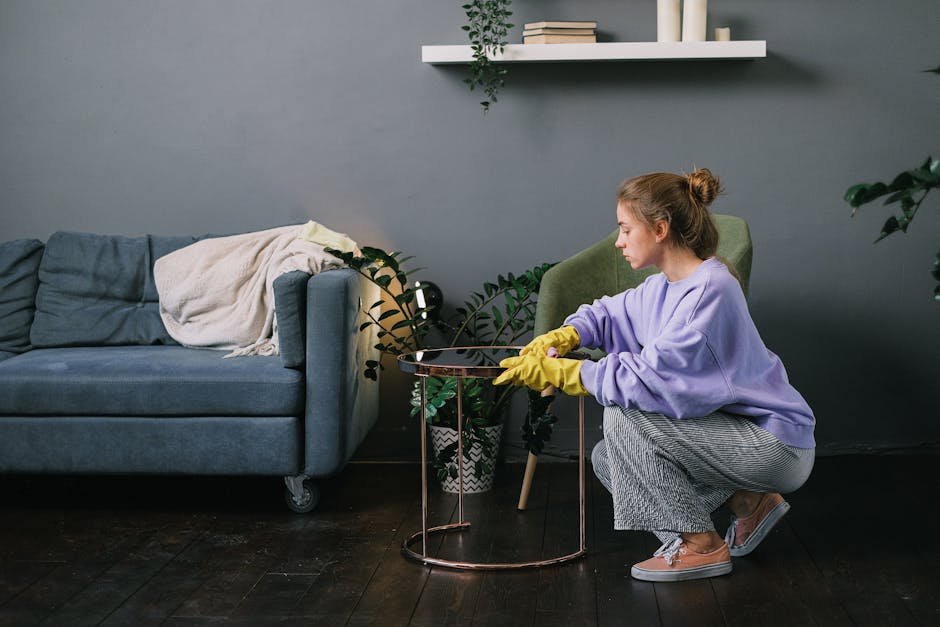
These rooms are often easier, but they still need attention. Dust skirting boards, wipe internal doors, clean wardrobes and drawers inside and out, and vacuum thoroughly under beds and sofas if possible. Check light switches, sockets, and door handles. They are tiny, yes, but they collect fingerprints very quickly.
For upholstered items or fabric furniture that has picked up everyday wear, upholstery cleaning in SE16 can be useful if the sofa or chairs are part of the tenancy inventory. If the carpets are part of the handover standard, pairing this with carpet cleaning in SE16 can lift the overall finish quite a bit.
5) Don't forget windows, frames, and tracks
Clean the inside of the glass, the frames, and the sills. If the windows open, wipe accessible tracks and remove cobwebs or dust. London dust gets into those grooves quietly. You barely notice until the sun catches it.
6) Finish with floors and final touchpoints
Vacuum first, then mop. It sounds basic, but sequencing matters. Finish by wiping:
- door handles;
- light switches;
- banisters or handrails if present;
- radiators;
- skirting boards;
- visible marks on walls where allowed and appropriate.
Then do the final walk-through. Stand in the doorway and look at the room as if you are the person inspecting it. What jumps out first? That is usually what needs one more pass.
Expert Tips for Better Results
After enough move-out cleans, a few habits stand out. Not fancy habits. Just the ones that save time and improve results.
- Work top to bottom. Dust and debris should fall onto floors, not freshly cleaned shelves.
- Use dwell time. Let cleaning products sit for a few minutes before wiping. That does half the work for you.
- Keep one cloth for one task. Bathroom cloths should not end up in the kitchen. Obvious, but it happens.
- Inspect in daylight. Morning or late-afternoon light often shows marks better than artificial light.
- Photograph as you go. Not just for records, but to spot missed spots when reviewing the flat later.
One small tip that really helps: clean the dirtiest item first if it needs soaking or product contact time. For example, apply oven cleaner, then move on to the bathroom. You are not standing around. You are working smart, or at least trying to.
If the tenancy has been long, or the flat has a mix of hard floors, carpets, and furnishings, a broader maintenance plan is often easier than a frantic one-off scramble. The site's services overview can help you understand how different cleaning needs fit together.
Common Mistakes to Avoid
Most end of tenancy cleaning problems are not dramatic. They are the result of missing small things that stack up into an unsatisfactory inspection. The good news? They are very avoidable.
- Only cleaning what is visible. Interior cupboards, behind appliances, and the tops of doors matter.
- Leaving appliances until the end. Ovens and fridges often need the most time.
- Ignoring limescale and soap residue. Bathrooms are unforgiving on this point.
- Forgetting window frames and sills. The glass may shine, but the frame can still look tired.
- Rushing the final inspection. A five-minute walk-through often saves an embarrassing return visit.
- Using too much product. Too much cleaner can leave streaks or sticky residue. More is not always better, frustratingly.
Another common one: assuming the landlord or agent will overlook a few cleaning gaps because you have been a good tenant. Sometimes they do. Often they do not. Better not to rely on goodwill when a checklist will do the job.
Tools, Resources and Recommendations
You do not need a mountain of equipment, but the right basics help. A simple end of tenancy cleaning kit usually includes:
- microfibre cloths;
- non-scratch sponges;
- mop and bucket;
- vacuum cleaner with attachments;
- degreaser suitable for kitchen surfaces;
- limescale remover where appropriate;
- glass and mirror cleaner;
- rubber gloves;
- scraper or gentle blade for stubborn residue;
- bin bags, storage boxes, and labels for moving-out clutter.
For heavier carpet work, especially where pile flattening or deep staining is involved, a specialist clean can be worthwhile. For fabric sofas, curtains, or other soft furnishings, you may want to read the site's article on safe velvet curtain washing techniques if your flat includes delicate materials. One wrong product on velvet, and the fabric lets you know pretty quickly.
If you are weighing whether to outsource the whole job, the most useful comparison is usually not "cheap versus expensive" but "time saved versus inspection risk." That is the real decision. Everything else is noise.
Law, Compliance, Standards, or Best Practice
End of tenancy cleaning in the UK is usually governed by the tenancy agreement, the inventory, and normal expectations around returning the property in a clean condition. In plain English: what matters most is what you agreed to, what condition the flat was in at check-in, and whether the property is returned to a comparable standard after fair wear and tear is accounted for.
It is sensible to keep a few principles in mind:
- Read the tenancy agreement carefully. Some agreements specify professional cleaning, while others require a comparable standard rather than a named service.
- Match the inventory standard. The check-in report is often the best benchmark for what is expected.
- Document your clean. Photos and receipts can support your position if there is a dispute.
- Do not confuse fair wear and tear with dirt. Scuffed paint may be wear; grease in a kitchen extractor is usually not.
The best practice standard, whether you clean yourself or hire help, is simple: aim for a condition that would reasonably satisfy an inspection against the original inventory. That is the safest way to think about it.
For businesses, landlords, and residents who want to understand wider service commitments and site policies, pages such as insurance and safety, health and safety policy, and terms and conditions can provide extra reassurance. Slightly dry reading, sure, but useful when you want to know how things are handled.
Options, Methods, or Comparison Table
There are usually three ways to approach a move-out clean. Each has its place depending on time, budget, and the state of the flat.
| Approach | Best for | Pros | Watch-outs |
|---|---|---|---|
| DIY checklist clean | Smaller flats, lighter wear, confident tenants | Lowest direct cost, full control, flexible timing | Time-consuming, easy to miss hidden areas, can be tiring near move day |
| Partial professional help | Problem areas such as oven, carpets, or upholstery | Targets the hardest tasks, good balance of cost and effort | Still requires your own organisation and some prep |
| Full end of tenancy clean | Busy moves, larger flats, higher inspection pressure | Most comprehensive, less personal labour, easier handover | Higher upfront cost, needs booking and access coordination |
In Bermondsey flats, the second option can be a sweet spot. A tenant might handle the general clean, then book specialist help for carpets or soft furnishings. That way, the bigger jobs are covered without paying for a full service you do not really need. Simple, practical, and far less stressful.
Case Study or Real-World Example
Here is a realistic example from a typical SE16 flat move-out. A tenant leaves a one-bedroom Bermondsey apartment after two years. The place is tidy, but the kitchen has a greasy extractor hood, the bathroom has limescale on the taps, and the bedroom carpet has a couple of traffic marks near the bed and wardrobe.
They start by removing all boxes and bin bags. Then they clean the kitchen one surface at a time, leaving the oven cleaner to work while tackling the bathroom. After that, they vacuum the carpet thoroughly, lift the bed edge to get the dust underneath, and finish with windows, switches, and skirting boards.
The tricky bit was not the cleaning itself. It was time. They underestimated the last 20%. That is always where move-out jobs go sideways. The final inspection went much better once they added the missing details: the inside of cupboard doors, the top of the fridge, and the mirror edge that had been slightly hazy. Nothing dramatic. Just the kind of finish that turns "almost done" into "actually ready".
If their flat had been a period conversion with heavier decorative details, they might also have used advice from the Bermondsey Street period home cleaning guide to avoid over-wetting delicate surfaces or using harsh products on older finishes.
Practical Checklist
Use this as your final pre-handover checklist. Tick each item off before you leave the flat. It sounds simple, but it is genuinely helpful.
- All belongings removed from cupboards, drawers, shelves, and wardrobes
- All rubbish and recycling taken out
- Kitchen appliances cleaned inside and out
- Oven, hob, extractor, and filters degreased
- Fridge and freezer emptied, wiped, and odour-free
- Bathroom sink, toilet, bath, shower, and tiles cleaned
- Limescale removed from taps, screens, and fittings
- Mirrors, glass, and internal windows cleaned
- Skirting boards, doors, handles, and switches wiped down
- Floors vacuumed and mopped
- Carpets checked for spots and treated where possible
- Upholstery refreshed if part of the inventory
- Light fittings and accessible corners dusted
- Any marks, scuffs, or issues documented with photos
- Final walk-through completed in good daylight
Quick reminder: if you can, leave yourself one buffer hour at the end. That hour often saves the day. It gives you room for the forgotten drawer, the streaky mirror, or the one stubborn mark behind the sink. Tiny things, but they add up.
Get a free quote today and see how much you can save.
Conclusion
A good SE16 Bermondsey flat end of tenancy cleaning checklist is really about control. It gives you a structure when the move-out process feels messy, rushed, and slightly chaotic. More importantly, it helps you focus on the details that matter most at inspection time: appliances, bathrooms, floors, edges, and the little overlooked spots that quietly ruin an otherwise decent clean.
If you follow the checklist properly, you will not just leave the flat looking better. You will leave feeling more settled, because the job has been done properly. And that matters. Moving out is a big enough life moment without the stress of wondering whether you missed the oven seal.
Take your time, use the checklist, and be kind to yourself if the flat is not perfect on the first pass. A clean handover is usually built from small, sensible actions, not perfection. That is the real trick.
For a calmer move and a cleaner finish, a steady plan beats a panicked one every time.

