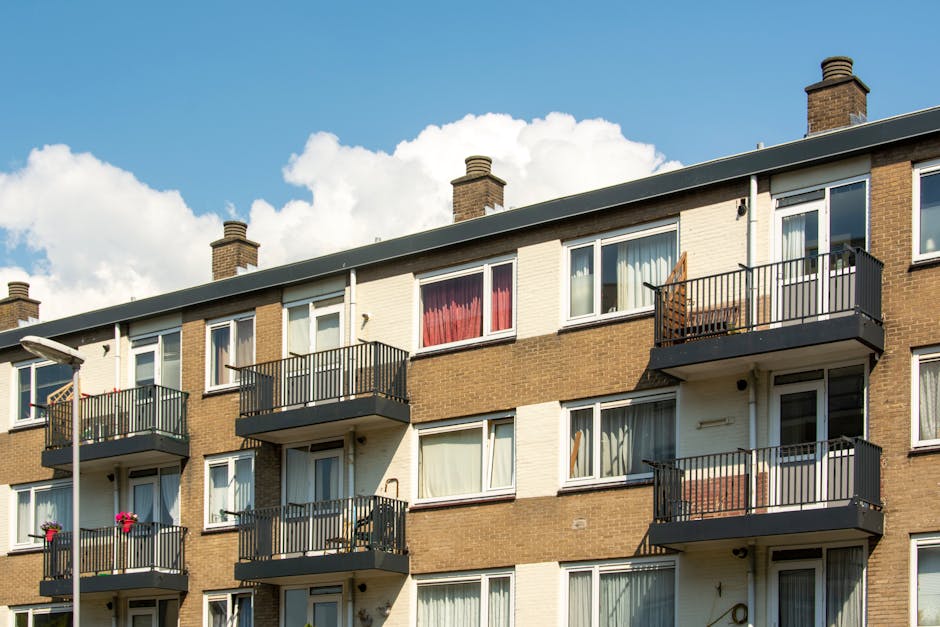
Rotherhithe estate communal area cleaning tips for landlords
Posted on 11/08/2026
Rotherhithe Estate Communal Area Cleaning Tips for Landlords
Shared entrances, stairwells, bin stores and hallways do a lot of quiet work in a building. They shape first impressions, affect complaints, and, truth be told, can make or break how tenants feel about a property. If you are looking for Rotherhithe estate communal area cleaning tips for landlords, the real goal is not just "looking clean" on a good day. It is creating a reliable routine that keeps communal spaces presentable, hygienic, and easy to manage week after week.
Rotherhithe has its own rhythm: older blocks, busy residential roads, riverside flats, and a steady stream of people coming and going. That means dust builds up, fingerprints appear fast, and bin areas can become a headache if nobody is paying attention. This guide gives you a practical, landlord-focused approach: what to clean, how often to clean it, how to avoid disputes, and when to bring in help. If you manage more than one property, you will notice how much easier life gets once there is a proper system.
For readers wanting a broader picture of local property and tenant expectations, it can also help to explore residential property insights in Bermondsey and the useful perspective in what locals think about living in Bermondsey.

Why Rotherhithe Estate Communal Area Cleaning Tips for Landlords Matters
Communal cleaning is one of those maintenance tasks tenants rarely praise when it is done well, but they will absolutely notice when it slips. A lobby with muddy footprints, a lift that smells stale, or a stairwell full of dust tends to create a sense that the whole building is being neglected. And once that feeling sets in, it is surprisingly hard to reverse.
For landlords, this matters for a few practical reasons. First, communal areas are shared by many people, so dirt and mess spread quickly. One tenant dragging in rainwater can leave a trail all the way to the top floor. Second, these spaces are high-touch zones. Door handles, intercom buttons, handrails and lift controls can all become grubby fast. Third, messy shared areas can trigger complaints between tenants, especially where residents differ on who is responsible for what. Nobody enjoys that conversation. Nobody.
There is also a reputational angle. In a competitive rental market, the condition of a block can influence renewals, viewings, and the general mood around the building. A tidy communal hallway suggests care, structure, and decent management. A neglected one suggests the opposite. That is why communal area cleaning is not a cosmetic extra; it is part of asset care.
If the property has period features or older finishes, the cleaning approach needs a little more thought. The blog post on domestic cleaning for period homes is a helpful reminder that older surfaces often need gentler methods and more consistent attention.
How Rotherhithe Estate Communal Area Cleaning Tips for Landlords Works
Good communal cleaning works like a simple system, not a one-off deep clean. You identify the shared spaces, decide how often each area needs attention, and set a cleaning standard that matches the building's use. That sounds obvious, but many landlords only react when the first complaint arrives.
In practice, a landlord or property manager usually has three layers to think about:
- Routine maintenance cleaning - the regular tasks that keep things presentable, such as sweeping, mopping, dusting, bin emptying, and wiping touchpoints.
- Periodic deep cleaning - less frequent but more thorough work, such as scrubbing skirting boards, cleaning behind bins, treating marks on walls, or refreshing carpets.
- Problem-response cleaning - targeted action after spills, bad weather, rubbish overflow, pest concerns, or tenant misuse.
The exact frequency depends on foot traffic and the type of property. A small converted building with a few long-term tenants may only need modest upkeep. A larger block near busy transport links or with frequent move-ins and move-outs may need much more. You do not have to overcomplicate it, but you do have to be consistent.
Communal cleaning also works best when responsibilities are clear. If a managing agent, cleaner, caretaker and landlord each assume someone else is handling the basics, standards drift. One of the most useful things you can do is create a simple written schedule that says what gets cleaned, when, and by whom. Plain English is enough. Fancy language doesn't mop a floor.
Key Benefits and Practical Advantages
There is a very real difference between "clean enough" and "well-managed." When communal areas are looked after properly, the building tends to run more smoothly. Here are the main benefits landlords usually see.
- Fewer complaints - tidy shared spaces reduce friction between residents.
- Better tenant confidence - people feel the building is cared for, which helps retention.
- Improved presentation - helpful during inspections, renewals, and new lettings.
- Lower long-term wear - dirt and grime are easier to remove before they become permanent damage.
- Safer shared areas - regular cleaning helps reduce slip risks from debris or wet patches.
- Easier compliance with building standards - not because cleaning replaces compliance, but because good upkeep supports it.
There is also a subtle benefit that landlords sometimes overlook: cleaner spaces make it easier to notice problems early. A stain on a ceiling might be obvious in a bright, clean hallway; in a messy one, it can disappear into the background for months. The same goes for leaks, broken fixtures, or signs of damp. Clean spaces reveal issues sooner, and that gives you more time to act.
Expert summary: The best communal cleaning plans are boring in the best possible way. They are simple, regular, and easy to follow. If your system is too clever, it usually breaks down at the first busy week.
Who This Is For and When It Makes Sense
This guide is most useful for landlords managing flats, maisonettes, converted houses, small blocks, or mixed-use residential buildings in and around Rotherhithe and SE16. It is especially relevant if you:
- self-manage a property and need a practical routine
- work with tenants who share entrances, corridors or stairs
- handle frequent tenancy changes
- have received repeated complaints about bin areas, dust, or floors
- manage older buildings where communal surfaces need gentle care
- want to reduce the "small stuff" that becomes big if ignored
It also makes sense if your property is generally well-let but you want to keep it that way. Many landlords focus on repairs and tenancy paperwork, which is fair enough, but the visual condition of communal spaces can quietly affect everything from tenant satisfaction to how the building photographs online.
Let's face it: people notice the hallway before they notice the lease terms. That first step inside matters.
Step-by-Step Guidance
If you want a process that actually works, keep it structured. Here is a straightforward way to handle communal area cleaning without creating unnecessary admin.
1. Walk the property like a tenant would
Start at the entrance and move through the building slowly. Notice where dirt collects, where light is poor, and which surfaces people touch constantly. Look at the area from a tenant's point of view, not a landlord's spreadsheet view. You will often spot problems in the first minute that have been invisible for weeks.
2. Divide the communal spaces into zones
Common zones include:
- entrance lobby or hallway
- staircases and landings
- lifts and lift surrounds
- bin stores or waste collection points
- shared windows and glass panels
- post areas and parcel spaces
- bike storage or access corridors
Each zone needs a different cleaning frequency. Entrances and touchpoints may need attention several times a week in a busy building. Lower-traffic storage areas may need less frequent checks, but they still need checks.
3. Set the cleaning frequency
A sensible pattern might be:
- Daily or several times weekly: entrance floors, touchpoints, bin area checks
- Weekly: stair rails, skirting boards, glass, lift interiors
- Monthly: deeper dusting, edges, spot-treating marks, full floor detailing
- Quarterly: deep clean of carpets, upholstery items if present, and hard-to-reach areas
That is only a model, of course. The right schedule depends on occupancy, weather exposure, and how much footfall the building gets. In wet weather, for example, a hallway can go from spotless to grimy very quickly. London winter, eh? It has a way of making floors look tired by 9 a.m.
4. Choose the right products and methods
Use cleaning products that suit the surface. Hard floors need different treatment from carpeted corridors. Painted walls need a gentler wipe-down than tiled entrance halls. If you have older decorative features, test products in an inconspicuous spot first. A shiny shortcut can cost you later.
5. Focus on touchpoints first
If time is limited, prioritise the places people touch most. Handles, push plates, railings, intercoms, buttons, and lobby doors collect grime quickly. These are also the areas that create the strongest impression of cleanliness. A hallway can look acceptable, but a sticky handrail tells a different story.
6. Keep records
Even a simple log helps. Note dates, tasks completed, and issues spotted. If residents complain, you have something concrete to refer back to. It also helps if you manage multiple buildings and your memory is, shall we say, not always your best filing system.
Expert Tips for Better Results
Once the basics are in place, a few small improvements can make a surprisingly big difference. These are the kind of details that keep communal areas looking cared for rather than merely "cleaned occasionally."
- Use entrance mats properly. A good mat traps grit before it spreads through the building. But only if it is cleaned too.
- Clean after heavy rain or windy days. Weather changes the job. Mud, leaves and damp footprints bring in more mess than you might expect.
- Check corners and edges. Dirt gathers where people don't look. Skirting lines, stair edges and behind doors are easy to miss.
- Freshen the air as well as the surfaces. Bin stores and enclosed halls can hold on to smells. Ventilation matters, even when the surfaces are tidy.
- Match the cleaning cadence to occupancy. If a block turns over frequently, increase the schedule around move-ins and move-outs.
- Use the same standard every time. Consistency builds trust. A slightly imperfect clean done regularly is usually better than a brilliant clean done rarely.
Where communal soft furnishings are involved, such as upholstered lobby benches or occasional fabric seating, it is worth looking at guidance from the site's safe fabric care tips and, where suitable, the dedicated upholstery cleaning service for SE16. Soft materials can hold dust and odours in a way that hard surfaces simply do not.
Another small but valuable habit: keep a spare set of consumables nearby if you are managing the property yourself. Bin liners, gloves, microfiber cloths and neutral cleaner. Having them ready sounds minor, but it stops little jobs from being delayed for a week because "the supplies ran out."

Common Mistakes to Avoid
A lot of communal cleaning problems come from avoidable habits rather than bad intentions. Here are the main ones landlords run into.
- Waiting for complaints before acting. By then, the issue has usually spread.
- Using the wrong product on the wrong surface. Harsh chemicals can damage paint, metal, stone, or older finishes.
- Ignoring bin areas. A tidy hallway can still smell bad if the waste space is left unmanaged.
- Cleaning only what is visible. Dust behind radiators and along edges eventually makes the whole area feel neglected.
- Assuming tenants will "just keep it tidy." Some will help. Some won't. Build the plan around reality, not hope.
- Over-cleaning delicate areas. Too much moisture or abrasion can create damage, especially in older buildings.
There is also a communication mistake that crops up a lot: vague instructions. "Keep communal areas clean" is not a system. It is a wish. If you want better results, define what clean means in practice. Mopped floor, emptied bins, wiped touchpoints, no visible litter, no lingering odours. That is much easier to manage.
Tools, Resources and Recommendations
You do not need an elaborate setup, but the right tools make the work faster and the finish better. For landlords, simplicity usually wins.
| Item | Best use | Why it helps |
|---|---|---|
| Microfiber cloths | Glass, handles, rails, ledges | Good at picking up dust and fingerprints without scratching |
| Neutral floor cleaner | Hard floors and general maintenance | Suitable for regular use on many common surfaces |
| Vacuum with attachments | Stairs, corners, mats, edges | Reaches awkward spots that sweeping misses |
| Mop and bucket system | Entrance floors and corridors | Useful for wet cleaning without spreading dirty water around |
| Disposable gloves | Bin areas and high-contact tasks | Improves hygiene and protects hands |
| Cleaning log | Record-keeping | Helps track frequency and spot recurring issues |
If the property includes carpeted communal spaces, regular professional carpet care can be worth considering. A hallway carpet traps soil in a way hard flooring doesn't. For more on that, see the local carpet cleaning SE16 page. And if you are comparing wider maintenance options, the services overview can help you understand what support is available across the home and building.
For landlords who prefer to outsource, it is worth thinking in terms of outcome rather than just price. Ask yourself: do you want a visible quick tidy, or a routine that reliably keeps the building in shape? Those are not always the same thing.
Law, Compliance, Standards, or Best Practice
Communal area cleaning is not usually a separate legal drama on its own, but it sits inside a wider duty of care around property upkeep, safety, and tenant wellbeing. In the UK, landlords should be cautious about anything that creates avoidable hazards, nuisance, or poor living conditions in shared parts of a building.
Best practice usually means:
- keeping shared routes reasonably clean and safe
- checking for slip risks, blocked access, or overflowing waste
- responding promptly to hygiene issues
- making sure cleaning methods do not damage surfaces or create new hazards
- coordinating with managing agents or contractors where responsibilities are shared
If contractors are used, it is sensible to make sure they follow clear health and safety procedures and are properly insured. The site's insurance and safety information and health and safety policy are useful reference points for anyone checking how a cleaning provider approaches risk. Likewise, if you are deciding how work is agreed and carried out, the terms and conditions and privacy policy pages help show that operations are handled carefully and transparently.
For landlords, the practical takeaway is simple: do not treat communal cleaning as a decorative task. Treat it as a basic part of responsible property management. Not glamorous, perhaps, but definitely important.
Options, Methods, or Comparison Table
There are a few ways to manage communal area cleaning, and the right choice depends on time, building size, and how hands-on you want to be. Here is a simple comparison.
| Method | Best for | Pros | Cons |
|---|---|---|---|
| DIY landlord cleaning | Small buildings, low footfall | Low direct cost, full control | Time-consuming, inconsistent if you are busy |
| Tenant-shared responsibility | Very small shared buildings | Can work in simple setups | Often inconsistent, harder to enforce, complaints can build |
| Scheduled cleaning contractor | Most blocks and busy shared entrances | Reliable, scalable, easier to maintain standards | Ongoing cost, needs good brief |
| Hybrid approach | Mixed-use or medium buildings | Flexible, can balance cost and quality | Needs clear coordination so gaps do not appear |
For many Rotherhithe landlords, a hybrid or scheduled contractor model works best. The reason is simple: shared spaces need continuity. If cleaning only happens when someone has time, the building will show it within days.
Where move-outs are involved and the communal areas have taken a bit of a beating, it can be helpful to review the end of tenancy cleaning SE16 and the SE16 flat end of tenancy cleaning checklist for a broader sense of what tenants and landlords often expect around handovers.
Case Study or Real-World Example
Here is a realistic scenario from a typical SE16-style block, nothing dramatic. A landlord manages a converted building with six flats and one shared entrance hall. The building looks fine on inspection day, but by Friday the mat is damp, the stair rails are smudged, and the bin area has become a bit messy after collection. Tenants are not furious, just annoyed. And annoyance, left alone, turns into emails.
The landlord's fix was not complicated. They introduced a three-part routine: weekly cleaning of the hall and stairs, twice-weekly checks on the bin store, and a monthly deeper detail on skirting boards, corners, and glass. They also asked the cleaner to report lightbulb failures and signs of moisture rather than waiting for someone to notice later. Within a couple of months, complaints dropped, and viewings felt easier because the first impression changed immediately.
The interesting part? Nothing fancy happened. No renovation, no expensive upgrade. Just consistency. That is usually where the real win is.
Practical Checklist
Use this as a simple landlord checklist for communal area cleaning in Rotherhithe and similar SE16 properties:
- Inspect the entrance, stairs, lifts, and bin areas on a set schedule
- Define who is responsible for each shared area
- Clean touchpoints such as handles, switches, rails, and buttons regularly
- Vacuum or sweep before mopping to avoid spreading grit
- Check for odours, damp, leaks, and pest risks while cleaning
- Use products suited to the surface and building age
- Keep records of completed cleaning and any issues found
- Increase frequency in wet weather or after heavy foot traffic
- Refresh mats, bins, and high-use items before they become a problem
- Review the standard after tenant complaints or move-outs
Quick takeaway: if you can keep the entrance clean, the stairs safe, and the bin area under control, you are already ahead of many landlords. The rest is refinement.
Conclusion
Rotherhithe estate communal area cleaning is really about dependable upkeep, not perfection. Tenants do not expect luxury sparkle every day, but they do expect the shared spaces to be clean, safe, and reasonably cared for. As a landlord, the smartest approach is usually the simplest one: set clear standards, clean the right areas at the right frequency, and keep an eye on the parts of the building people notice first.
When communal areas are looked after properly, the whole property feels calmer. Complaints ease off, viewings feel smoother, and the building starts to reflect the care behind it. That is good for tenants, good for you, and good for the long game. Small habits, repeated well, tend to do the heavy lifting. Funny how often that is true.
Get a free quote today and see how much you can save.
And if you are weighing up next steps, start with the spaces people see first. A clean entrance in the morning light can change the whole feel of a building, honestly.