Communal area Cleaning in SE16
Keeping shared spaces clean, safe, and welcoming across SE16

Communal area Cleaning in SE16 is about more than making a building look tidy. In places where neighbours, tenants, visitors, and staff pass through every day, the condition of shared areas shapes first impressions, everyday comfort, and even how well a building is cared for over time. Whether you manage a block of flats near Bermondsey, look after apartments close to Canada Water, or need a dependable clean for a mixed-use property in Rotherhithe or Surrey Quays, a consistent communal cleaning service can make a noticeable difference.
Shared hallways, stairwells, lifts, entryways, internal landings, bin stores, and touchpoints all collect dust, footprints, litter, and marks quickly. In a busy part of SE16, where residential developments sit alongside shops, offices, and waterside apartment buildings, these areas need regular attention from a local team that understands the pace of the neighbourhood. Clean communal spaces help maintain a building’s appearance, support hygiene, and give residents a better day-to-day experience.
Our approach to communal area cleaning in SE16 is practical and flexible. We work around occupied buildings, respect residents’ routines, and focus on the tasks that matter most in shared spaces. If you are responsible for a block, a housing development, a managed estate, or a commercial property with common areas, you can request a tailored service that fits the building layout, occupancy levels, and cleaning frequency you need.
Why communal area cleaning matters in SE16

SE16 has a varied mix of property types, from purpose-built flats and modern riverside developments to older mansion blocks, converted buildings, and estate-style housing. That variety means no two communal areas are the same. Some buildings have glass lobbies and lifts that show fingerprints within hours. Others have stairwells that gather dust, scuff marks, and debris from daily foot traffic. External entrances may also be exposed to rain, mud, leaves, and road dust from nearby routes and parking areas.
Because shared areas are used by many people, they often become dirty faster than private homes. Residents may expect a clean entrance, a fresh-smelling hallway, and clear floors, but those results are difficult to maintain without a regular routine. A reliable cleaning schedule helps prevent minor messes from building up into bigger problems, and it can also support building management standards, tenant satisfaction, and general upkeep.
For landlords, managing agents, resident associations, and facilities teams, this service is often about consistency. A clean communal space reflects well on the whole property. It also reduces complaints about unpleasant smells, stained surfaces, overflowing bin areas, or dirty handrails. In busy areas of SE16 such as South Bermondsey edges, Canada Water, and the wider Docklands fringe, communal area cleaning can also help buildings feel calmer and more presentable despite heavy day-to-day use.
What our communal cleaning service can include
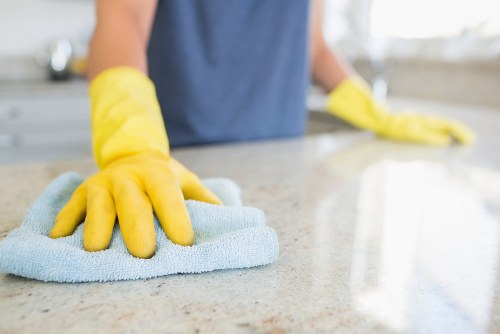
Every building is different, so the exact checklist should match the layout and usage of the property. A good communal area cleaning service is usually built around a clear routine, agreed priorities, and regular checks. We focus on the tasks that keep shared spaces looking cared for without disrupting residents or staff.
Typical tasks may include:
- Sweeping and mopping communal floors
- Vacuuming carpets on landings, stairs, and hallways
- Dusting skirting boards, ledges, and reachable surfaces
- Cleaning handrails, bannisters, switches, and door handles
- Wiping lift interiors and call panels
- Cleaning entrance doors, lobby glass, and internal glazing
- Removing litter and visible debris from shared areas
- Emptying communal bins where agreed
- Spot-cleaning marks, spills, and smudges
- Refreshing high-touch points used by residents and visitors
Some properties need extra attention in places that are often overlooked. These can include bike storage rooms, post areas, internal corridors, laundry spaces, bin chambers, and service entrances. If you manage a building with lifts, a concierge area, or multiple entry points, a tailored communal cleaning plan can cover those extra areas so nothing gets missed.
Where appropriate, we can also include periodic deeper tasks such as detailed edge cleaning, cleaning internal signage, tackling built-up marks on walls, and paying extra attention to areas around bins or entrances. This flexibility is especially useful in SE16, where some buildings have daily heavy use while others need a more measured schedule.
Types of properties we clean in SE16
Residential buildings
Many enquiries for Communal area Cleaning in SE16 come from residential blocks. These may be small developments with a few shared hallways or larger apartment complexes with lifts, multiple stair cores, and extensive common parts. A residential communal clean helps maintain pleasant living conditions and supports the overall presentation of the building.
Managed estates and housing associations
Estate-style properties often need reliable, repeated cleaning because traffic levels can be high and the shared spaces are used throughout the day. Housing associations and managing agents usually want a service that is predictable, respectful, and easy to coordinate with residents. A local team can provide that steady support while adjusting the schedule when building use changes.
Commercial and mixed-use premises
SE16 also includes commercial units, offices, and mixed-use developments where shared areas may be accessed by staff, tenants, customers, delivery drivers, and visitors. In these settings, the communal space may include reception areas, corridors, internal stairways, service entrances, and washroom-adjacent access points. Keeping them clean helps maintain a professional appearance and a more comfortable environment for everyone using the building.
From modern developments near Canada Water to older converted properties around Bermondsey and Rotherhithe, the needs can vary widely. That is why local experience matters. A team working in SE16 regularly is more likely to understand the building types, access patterns, and common issues that show up across the area.
How the service works
A simple process built around your building
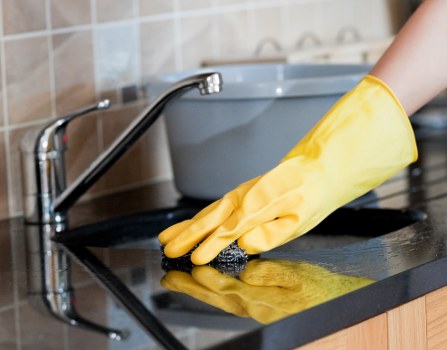
When you request communal area cleaning, the first step is usually to understand the property and what needs attention. That may involve discussing the size of the building, the number of floors, the type of flooring, the level of traffic, and the areas that are most important to keep presentable. This helps create a cleaning schedule that fits the property instead of forcing a one-size-fits-all approach.
After the service plan is agreed, the cleaning can be arranged on a regular basis, whether that is several times a week, weekly, or another pattern depending on need. The aim is to keep the building in good condition without causing unnecessary disruption. Many communal cleaning visits can be planned for times that suit residents and property managers best, including quieter periods where access is easier.
On each visit, the focus is on completing the agreed tasks carefully and consistently. That means paying attention to high-traffic surfaces, removing visible dirt, checking corners and edges, and leaving the shared areas looking neat and maintained. If a building has unusual access arrangements, controlled entry systems, or particular resident instructions, those can be built into the routine.
What makes the process easier for local customers
Local customers often want a service that is dependable and straightforward. A nearby team is easier to coordinate with, faster to respond when needs change, and more familiar with the everyday realities of SE16 buildings. That can be especially useful for properties where access is limited, where residents prefer minimal disturbance, or where cleaning needs to be adjusted as occupancy changes.
Why choose a local SE16 cleaning company
Local knowledge can save time and reduce disruption

Choosing a local company for communal area cleaning in SE16 can bring practical benefits. Shared spaces in this part of south-east London often face access challenges, from controlled entry systems and restricted parking to narrow streets, loading limitations, and busy residential courtyards. A local team is more likely to understand how to plan visits efficiently and work around those everyday realities.
There is also value in familiarity. SE16 includes neighbourhoods and developments that vary in layout and character, from waterside apartment blocks to long residential corridors and estate walkways. A team that works locally is more likely to know what tends to build up in these environments: rain tracked into entrances, dust on stair landings, fingerprints on glass, and bins that need regular monitoring.
Another advantage is responsiveness. If there is a change in access, a one-off issue after a busy weekend, or a special requirement before an inspection, a local provider is better placed to respond quickly. That can be particularly helpful for managing agents, landlords, and resident committees who need a reliable cleaning partner rather than a distant service that may be harder to coordinate.
Local service also means practical understanding. In SE16, many buildings have limited on-street parking, shared access routes, and a mix of residential and commercial use. Planning around these conditions takes experience and good communication. When the team understands the local setup, the service tends to run more smoothly.
Benefits of regular communal cleaning
More than a tidy appearance
Regular communal cleaning offers several benefits beyond general presentation. Clean shared spaces can help reduce the spread of dirt from one area to another, keep surfaces looking better for longer, and make it easier to spot maintenance issues before they become bigger concerns. Small tasks done consistently often have the biggest effect on building standards.
For residents, a clean entrance and hallway can make home feel more welcoming. For property managers, regular cleaning can support smoother day-to-day operation by keeping shared areas under control. For visitors and contractors, a tidy lobby or stairwell creates a better impression from the moment they arrive. In a competitive rental and sales market, that matters.
Regular cleaning can also help with practical issues such as odours in bin areas, marks on walls near entrances, and dirt accumulation on frequently touched surfaces. While cleaning is not a substitute for maintenance, it supports the general condition of the property and can help reduce the feeling of neglect in busy communal environments.
Here are some of the most common reasons customers arrange this service:
- To keep communal areas presentable for residents and visitors
- To reduce complaints about dirt, litter, and bad smells
- To support a higher standard of building management
- To maintain shared floors, stairs, and entrances more effectively
- To create a cleaner, safer-feeling environment in high-traffic spaces
What to expect from a professional cleaning routine
Consistency, care, and attention to shared details
Professional communal cleaning should be thorough but sensible. It is not just about sweeping through a hallway. It is about noticing the details that residents see every day: dust on the tops of frames, marks around handles, debris in corners, and dull floors that need proper care. A reliable routine makes those small improvements happen again and again.
In many SE16 buildings, professional cleaning means working around occupied spaces respectfully. That includes keeping noise to a minimum where possible, being careful around personal items left in communal areas, and avoiding disruption to residents working from home or families moving in and out. Cleaners should also follow agreed access procedures and leave each area secure after finishing.
Some properties require a visual check of the route from entrance to top floor. Others need a stronger focus on external entry points and bin areas because that is where most mess appears. A good local service can adapt to those priorities. That adaptability is one of the main reasons local communal area cleaning is so valuable in SE16.
Examples of building features that may need special attention
- Glass entrance doors and lobby panels
- Lift buttons and internal lift walls
- Shared stair treads and landings
- Postbox areas and parcel corners
- Skirting boards and wall edges in narrow corridors
- Bin stores and waste collection areas
Preparation checklist for residents and property managers
How to make cleaning visits run smoothly
You do not need to do a lot before a communal cleaning visit, but a little preparation can help the work go more smoothly. If access arrangements are clear and shared areas are reasonably free from obstacles, the team can focus on cleaning rather than moving items around. That also helps reduce the chance of delays in busy buildings.
For residents and managing agents, a useful checklist may include:
- Confirming access instructions for doors, gates, or entry systems
- Removing personal belongings from communal floors and stairwells
- Noting any areas that need extra attention
- Making sure bin rooms or utility areas are unlocked if they are part of the service
- Sharing any temporary changes to building use, such as repairs or decorating work
If there are ongoing works, heavy foot traffic from a move-in day, or a specific event in the building, it helps to mention that in advance. Communal cleaning can then be adjusted to focus on the right areas. Good communication is often the difference between a routine clean and a really effective service.
Pricing factors for communal area cleaning in SE16
What influences the cost of the service
Every building is different, so pricing for communal area cleaning in SE16 usually depends on several practical factors rather than a fixed one-size-fits-all rate. These can include the size of the property, the number of floors, how often the service is needed, the condition of the shared areas, and the tasks included in the routine.
Other factors may include whether lifts are involved, whether there are multiple entry points, and whether the building has additional spaces such as bin stores, bike rooms, or internal courtyards. Access arrangements can also affect time on site, especially in properties with restricted parking or controlled entry procedures. Mixed-use buildings may need a different approach from a standard residential block.
If the communal areas have been neglected for some time, an initial clean may require more work before regular maintenance begins. By contrast, a well-kept building with a steady routine may need only a simpler ongoing schedule. A professional quote should reflect the actual condition and needs of the property, not a generic estimate that ignores the layout or level of use.
If you want a realistic quote, it is helpful to describe:
- The type of building and number of floors
- How many communal entrances or cores there are
- Whether the property includes lifts, corridors, or outdoor access areas
- How frequently cleaning is needed
- Any particular problem spots such as bin areas or stairwells
Request a free quote when you are ready to compare your options and see what type of service would suit your property best.
Areas covered around SE16
Local neighbourhoods and nearby places we commonly serve
SE16 covers a wide and varied part of south-east London, so communal area cleaning requests often come from different kinds of streets, estates, and developments. Common local areas include Bermondsey, Canada Water, Rotherhithe, Surrey Quays, and surrounding streets within the wider SE16 district. These neighbourhoods contain a mix of modern apartment complexes, older residential buildings, and mixed-use developments that all benefit from regular shared-space cleaning.
There are also properties close to transport links, waterside developments, and busier commercial corridors where daily footfall can quickly make entrances and halls look tired. In these places, a dependable cleaning schedule is especially useful because dirt and litter can build up quickly from regular comings and goings. Buildings near shopping areas, schools, or transport routes may need more frequent attention than quieter residential blocks.
Wherever the property is located within SE16, the aim is the same: to keep communal spaces looking cared for and pleasant to use. If your building has specific access rules, limited loading space, or resident-only parking, a local team can plan accordingly and work around the building’s practical needs.
Frequently asked questions
Common customer questions about communal cleaning
How often should communal areas be cleaned?
It depends on the size of the building, the number of residents, and the level of foot traffic. Some properties need cleaning several times a week, while others only require a weekly or fortnightly routine. Busy entrances, lift lobbies, and stairwells usually need more frequent attention.
Can the cleaning be tailored to our building?
Yes. A good service should be flexible enough to match the layout and use of the property. That may include focusing on stairs, hallways, entrances, lifts, bin rooms, or a combination of different shared areas.
Do you clean both residential and commercial communal spaces?
Yes. Communal cleaning is suitable for residential blocks, mixed-use developments, offices with shared areas, and other properties with regular foot traffic. The routine can be adjusted to suit the building type and the people using it.
What if our building has awkward access or limited parking?
This is very common in SE16. A local cleaning team can usually plan around controlled entry, narrow streets, restricted parking, and building-specific access procedures. It helps to share these details before the service begins.
Can you help with problem areas such as bin stores or dirty entrances?
Yes, those are often the areas that need the most attention. Bin stores, entrances, and lower stairwells can be included in the routine if they are part of the agreed service.
Why customers in SE16 choose a professional communal cleaning service
Practical support for busy buildings
People often look for communal area cleaning because they want a property to feel looked after without having to manage every small task themselves. In a busy location like SE16, that is a very practical choice. With so many buildings used by residents, tenants, contractors, and visitors every day, shared spaces need ongoing care to stay presentable.
A professional service gives property managers and residents a dependable way to stay on top of the everyday mess that builds up in communal spaces. It also helps maintain a better standard of living and working environment. When the cleaning is consistent, the whole building benefits.
Choosing a local team means the service can be more responsive, more aware of building access issues, and better suited to the rhythms of the area. Whether you are responsible for a small block or a larger development, there is value in having a cleaning plan that feels organised and practical from the start.
If you are comparing providers, it is worth looking for a company that can explain what is included, how the visits are scheduled, and how the work is adapted to your property. That clarity makes it easier to book with confidence.
Book Communal area Cleaning in SE16
Get your shared spaces looking cared for
If your building’s shared areas are starting to show dust, marks, or general wear, now is a good time to arrange regular cleaning. A clean entrance, stairwell, or hallway can improve the experience for everyone who lives or works in the property. It can also reduce complaints and make the building easier to manage on a day-to-day basis.
Whether you need ongoing communal area cleaning in SE16 for a residential block, a mixed-use property, or a commercial building with shared circulation spaces, a tailored service can be arranged around your access needs and cleaning priorities. You can request a free quote, discuss the layout of the property, and set up a routine that suits the building.
Contact us today to talk through your requirements, or book your service now if you are ready to get started. A well-kept communal area makes a real difference to how a property feels, and local support can help keep it that way.
Final thought
In a place like SE16, where building types vary and shared spaces are used constantly, regular communal cleaning is not a luxury. It is a practical service that supports presentation, hygiene, and resident satisfaction. With the right local approach, your communal areas can stay cleaner, look better, and feel more welcoming throughout the year.